

ISOLA
WINES
ITALIAN KNOWLEDGE AND BALINESE TRADITION
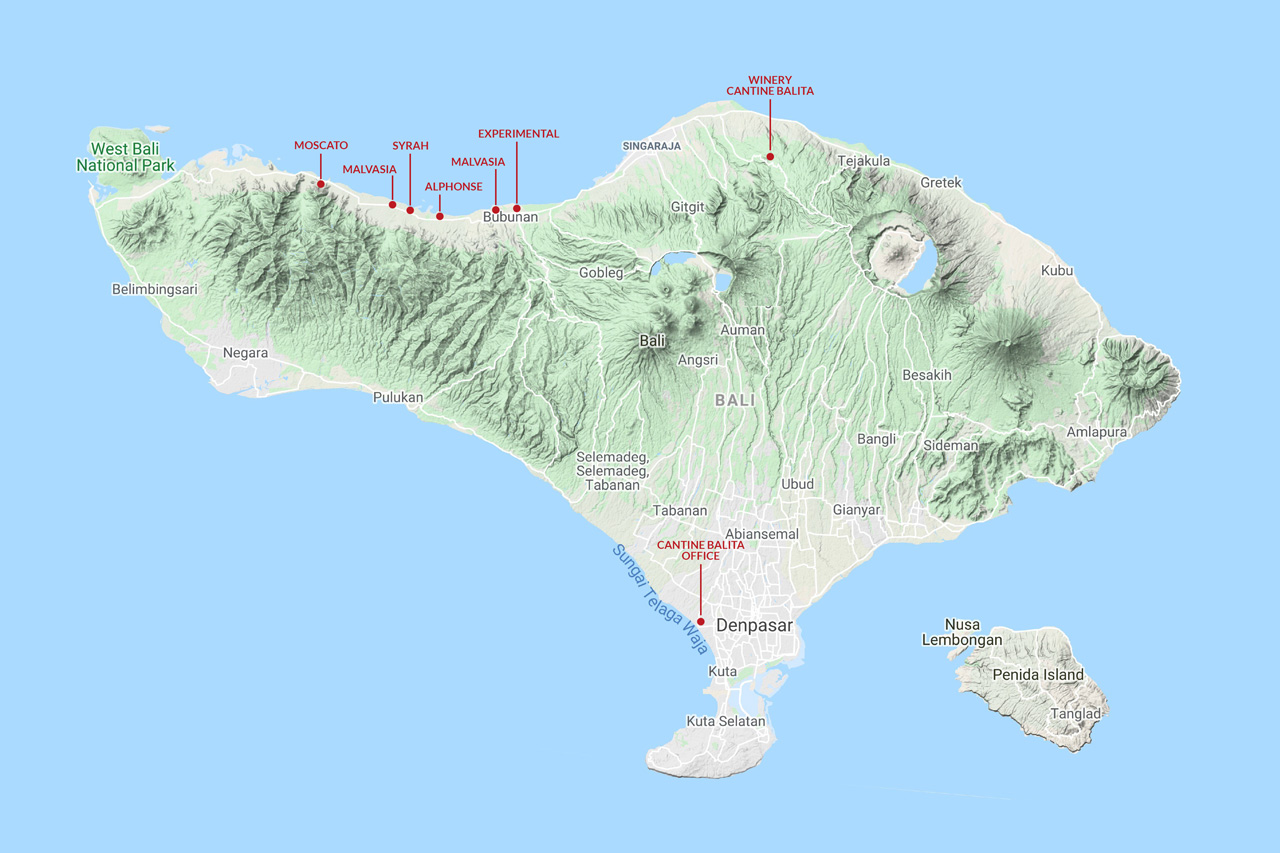
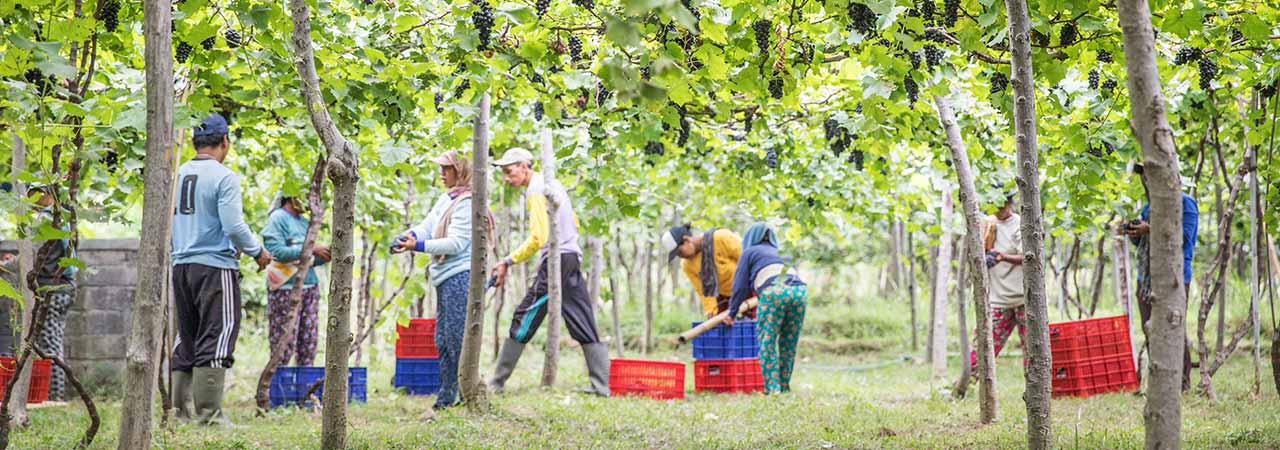
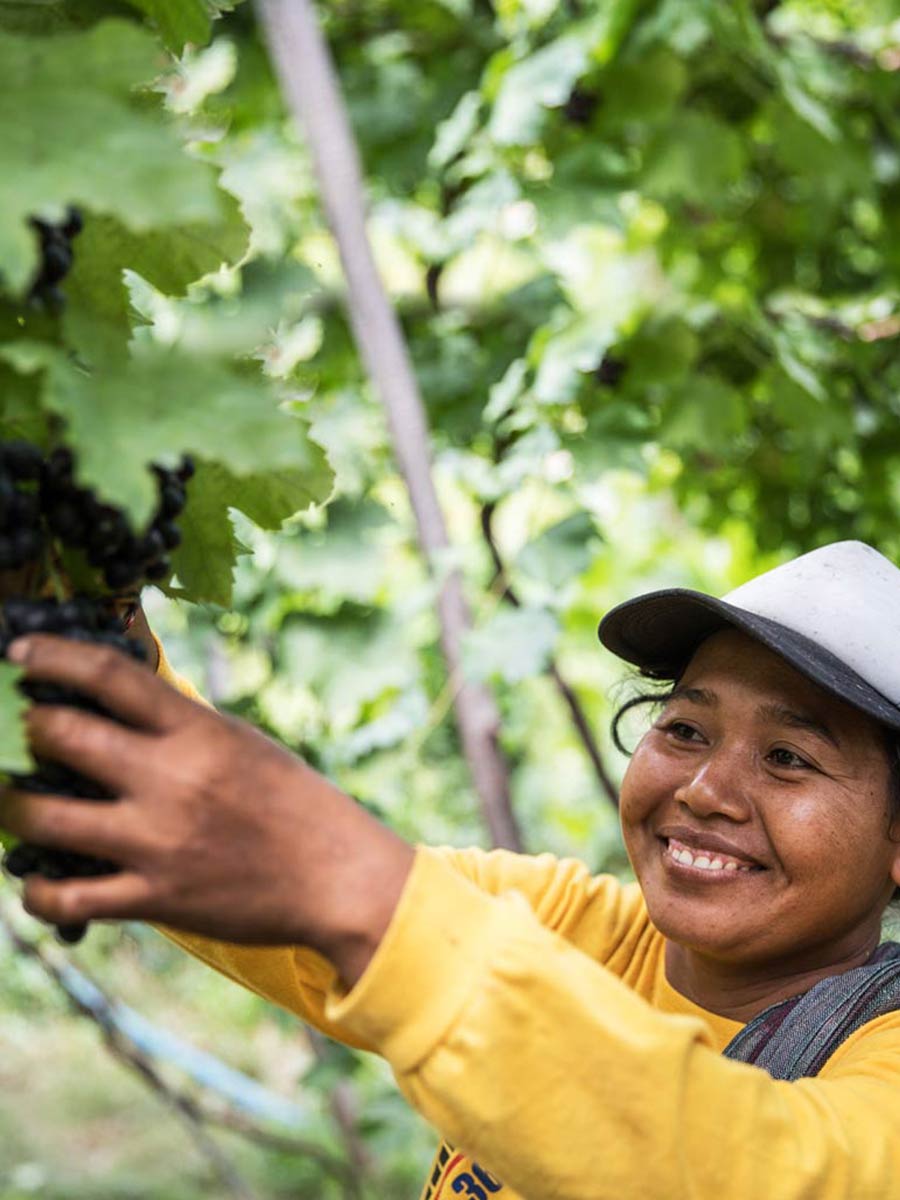
In Italy, vines are traditionally grown on hills with little water. In Bali, our vines grow close to the sea and next to rice fields, which are in an abundance of water. We grow our vines high, forming a tent-like appearance, keeping the grapes in the shade, thus maximizing the airflow.
At Cantine Balita, we support biodiversity, allowing for the natural relationship between land and nature to develop. We do not apply synthetic substances to the plants, which lets them grow and improve in-line with the microclimate and environment.
“To make people recognize that fine wine can be made in the tropics.”
Lorenzo Giotto Castiglioni
Marketing & Strategy Director / COO
“Our dream is now a reality. Expect great things from us.”
Agung Bagus Pratiksa Linggih
Founder & CEO
In Italy, wine is a big part of the country’s tradition, and what could be more important in tradition than wine? Italy has made wine for over 4000 years, and there is evidence of winemaking in Sicily dating back more than 6000 years.
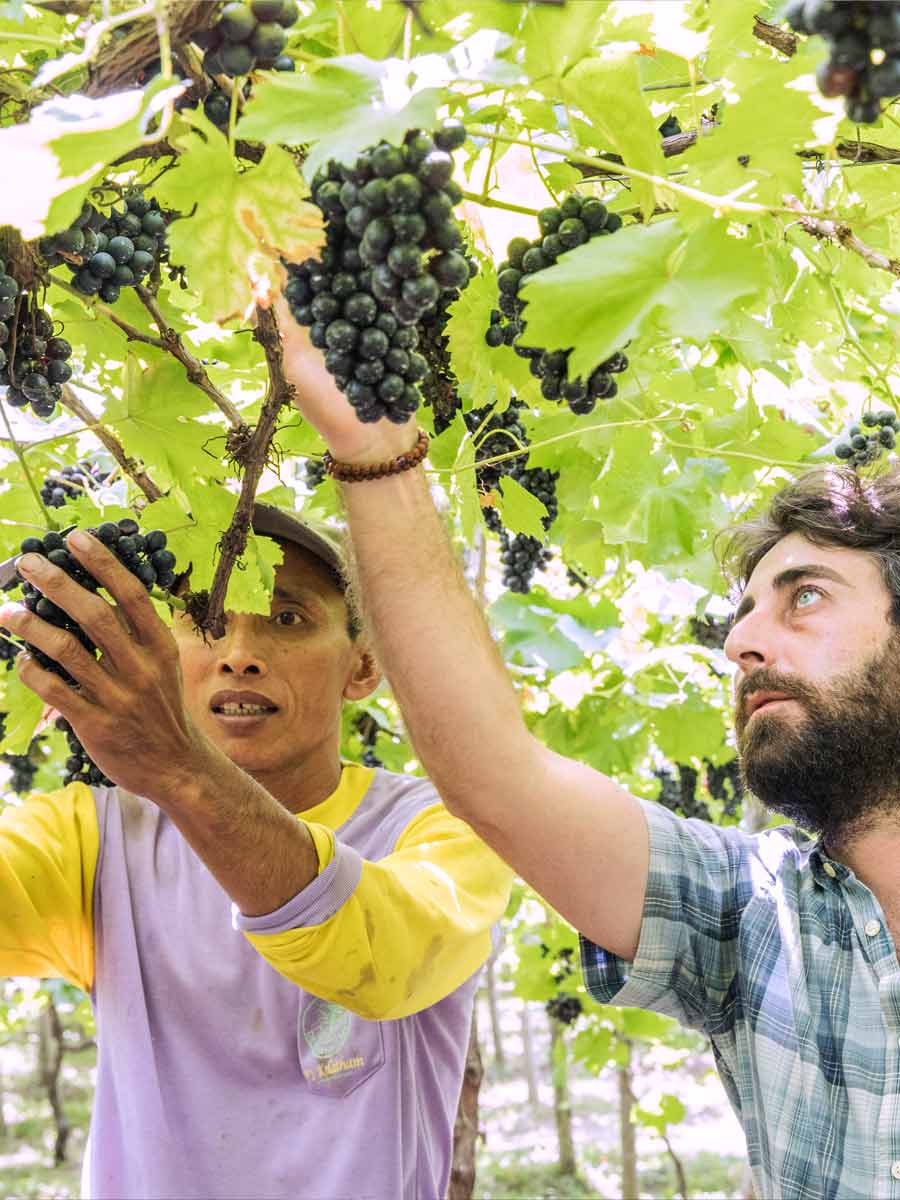
Our vineyards in the north of Bali look quite different from vineyards you might see in Europe or the USA. When our Sicilian Winemaker, Giacomo Anselmi, set foot on the land where he was to grow our grapes, he knew he had to be creative.
To merge Italian agronomy practices with the agricultural traditions of the local Balinese farmers was the key to success. Choosing the right grapes that would thrive in the tropics and could deliver the quality we required was another critical factor.
Concept of Terroir
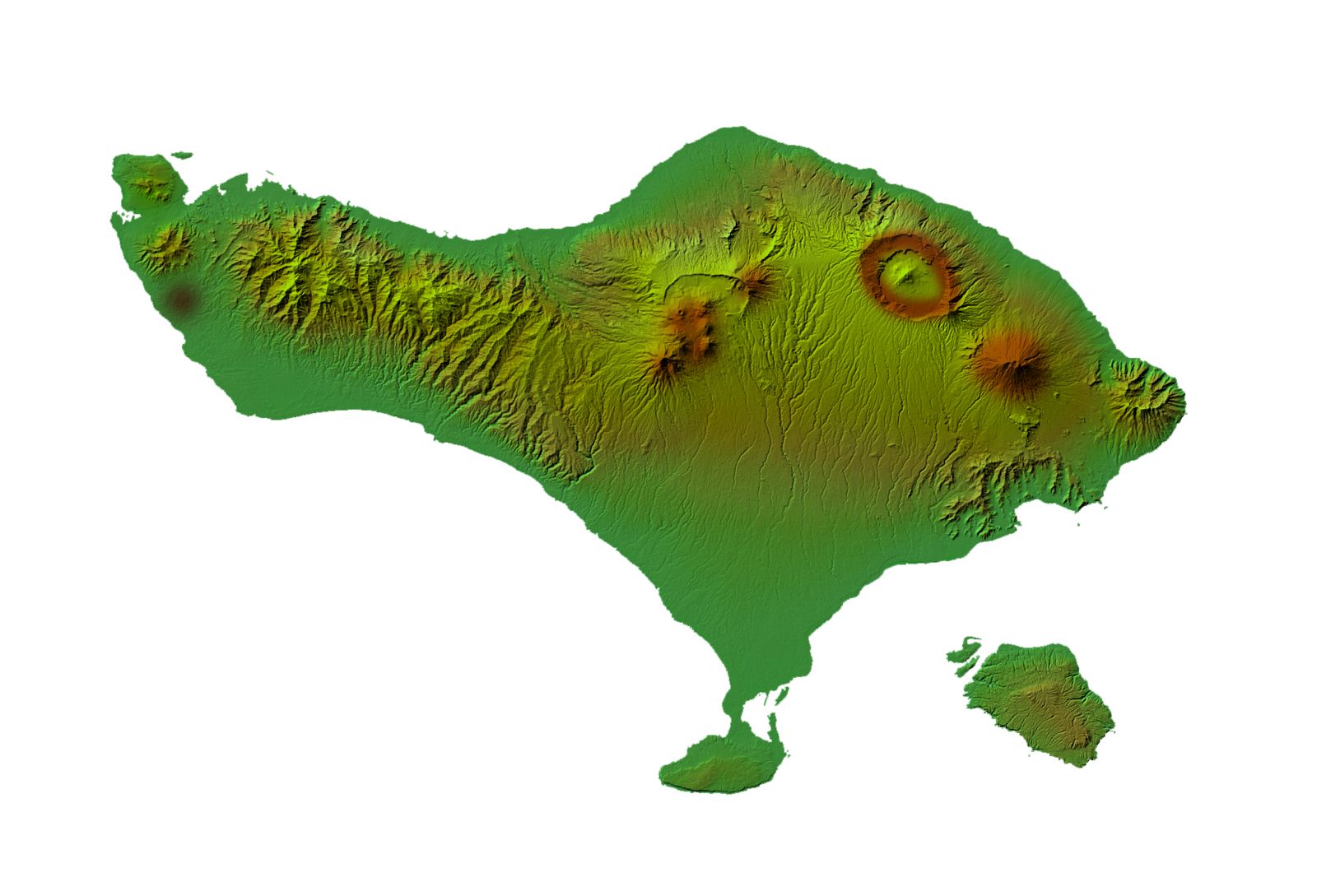
Since the beginning, we wanted to create unique, high-quality Balinese wine. We follow the concept of terroir, which means that the characteristic taste and flavor of the wines we produce here are uniquely Isola. Our wines cannot be reproduced anywhere else because of our soil and climate. We cultivate the vine in volcanic soil, and together with the specific sun exposure, wind, climate and topography, the result is an intense and unique character in the grapes grown and wine produced. Our dream goal is to perfect this process, and in the meantime, we are solving the problems that come with choosing to focus on this concept. We believe that Isola wines will be internationally recognized for their unique characteristics and humble journey, as we strive to deliver only the best to our wine lovers.
GRAPE VARIETIES
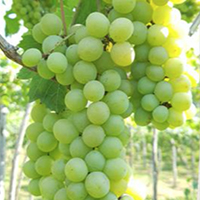
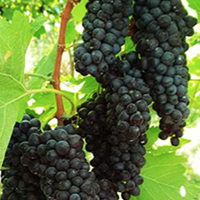
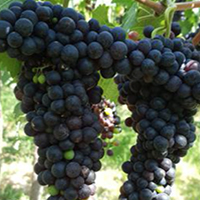
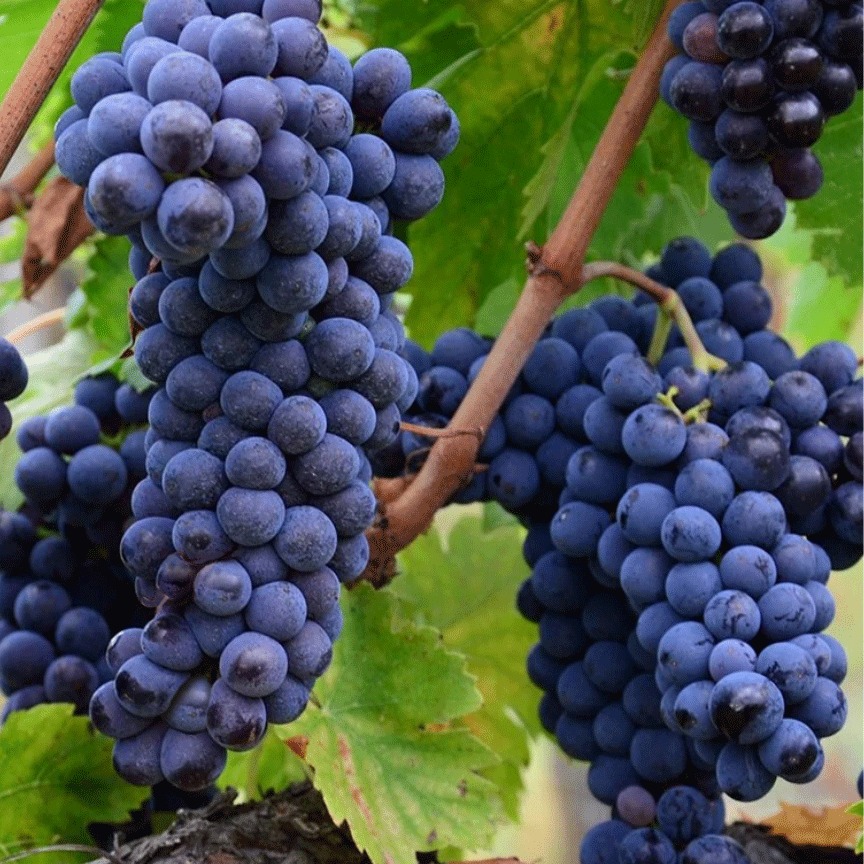
Our unique agronomy program – developed to suit tropical climates and volcanic soil – has revolutionized Indonesian viticulture.
At Cantine Balita, we are proud to be the only winery to cultivate Italian grapes varieties in Bali successfully. Our profound commitment and belief, as well as continuous research, enabled us to overcome the limitations of a tropical climate. We are successfully cultivating outstanding quality grapes ever since.