


The Nature of Luck in Gambling
Luck is a fundamental element in the realm of gambling, significantly influencing players’ experiences in casinos. Unlike games that rely on skill, casino games often hinge on chance, making luck a central factor in determining outcomes. Whether it’s the roll of dice, the spin of a roulette wheel, or the pull of a slot machine lever, players find themselves in a landscape where fortune can change in an instant. In addition, those seeking a thrilling experience may also look for options like new uk casino fast withdrawal , where the excitement of winning can be enjoyed even faster. A single winning moment can dramatically alter a player’s financial state, illustrating how deeply intertwined luck is with gambling.
For example, in games like slots, every spin is governed by random number generators, meaning that no strategy can sway the outcome of each play. This randomness fosters an exhilarating environment where players can dream of hitting the jackpot without any predictable patterns to guide them. The thrill of potential wins often leads to an emotional rollercoaster, where players experience highs and lows dictated by pure luck. Understanding this nature of luck can enhance a player’s enjoyment, as it instills a sense of excitement and anticipation with every game played.
Moreover, recognizing the role of luck can promote responsible gambling practices. When players accept that luck can lead to both sudden victories and unexpected losses, they are more likely to approach their gaming experiences with mindfulness. This awareness encourages a focus on the enjoyment of the game itself rather than solely on the pursuit of profit. Ultimately, luck enhances the thrill of risk in gambling, where players learn to appreciate both the ups and downs of their experiences.
The Psychology Behind Luck
The psychological dynamics associated with luck play a crucial role in shaping how players engage with casino games. Often, players attribute their successes to their skills while blaming failures on bad luck, creating a cognitive bias that skews their perception. This phenomenon, known as the “illusion of control,” leads many to believe they can influence outcomes even when chance predominantly dictates results. This belief can enhance their gaming experience, making them feel more invested and engaged in the process.
This psychological impact extends to the emotional states of players during their gaming sessions. The excitement of winning can lead to euphoric highs, while losses can evoke feelings of frustration or disappointment. This emotional volatility is often why individuals return to casinos; the thrill of potentially winning often outweighs the risks of losing. The allure of luck fuels the desire to chase that next big win, blurring the lines between healthy gaming and obsession, thereby emphasizing the need for self-awareness in gambling.
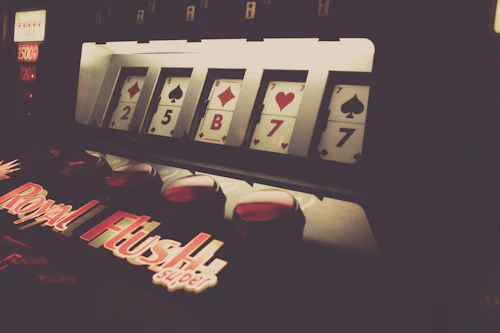
In essence, understanding the psychology of luck empowers players to navigate their gaming experiences more thoughtfully. By recognizing how luck influences their emotions, decision-making, and expectations, players can cultivate a balanced approach to gambling. This understanding can lead to more responsible gaming practices, where the emphasis shifts from solely seeking financial gains to enjoying the overall experience of chance and unpredictability.
Strategies to Harness Luck
While luck is inherently unpredictable, players can adopt certain strategies to potentially enhance their gaming experience. One common approach is to select games that offer better odds. For instance, table games like blackjack or poker blend skill with chance, allowing players to apply strategies that may improve their chances of winning. By grasping the intricacies of these games, players can navigate the complexities of luck more effectively, making informed choices that could lead to favorable outcomes.
Another vital strategy involves prudent bankroll management. Setting clear limits on how much to bet or establishing win/loss thresholds can help players maintain a balanced and healthy approach to gambling. For instance, deciding to walk away after achieving a particular profit can prevent the temptation to continue playing and risking those winnings. This disciplined approach not only mitigates the impact of luck but also contributes to longer, more enjoyable gaming sessions, allowing players to appreciate the entertainment aspect of gambling.
Additionally, recognizing when to take breaks is essential in the gambling landscape. Players should be aware that luck can fluctuate significantly, and stepping away during a losing streak can work wonders for their mindset. Taking a breather allows players to reassess their strategies and regain composure, ultimately enhancing their overall gaming experience. This self-awareness cultivates a more enjoyable atmosphere, enabling players to return with renewed focus and a clear understanding of luck’s unpredictable nature in gambling.
The Impact of Luck on Casino Revenue
Luck is not just a player-centric phenomenon; it significantly influences casino operators and their revenue streams. The unpredictable nature of luck directly affects the outcomes of countless games daily, which can impact the financial health of a casino. For instance, a lucky player hitting a major jackpot can lead to substantial payouts, which, while costly for the casino in the moment, can also serve as a powerful marketing tool. Such events attract new customers, showcasing the potential for life-changing wins and reinforcing the allure of gambling.

Furthermore, casinos often strategically leverage the concept of luck in their marketing campaigns. Highlighting stories of big winners creates a narrative that resonates with potential players, drawing them in with the hope of experiencing similar fortune. This emphasis on luck not only promotes the casino but also cultivates an environment where players feel encouraged to try their hand at various games. The cyclical nature of luck and revenue generation is a vital component of the casino business model, where excitement and potential wins drive customer engagement.
Despite the randomness inherent in luck, casinos implement measures to ensure profitability remains stable. By designing games with a slight house edge, they can maintain a balance between player excitement and the need for sustainable revenue. This equilibrium allows players to experience the thrill of potential wins while ensuring that casinos can continue operating successfully. Ultimately, luck acts as a double-edged sword, driving both player engagement and casino profitability.
Conclusion: Embracing Luck in Casino Experiences
In conclusion, luck is an undeniable force in the world of casinos, influencing player experiences, strategies, and overall revenue. By understanding the nature of luck, players can cultivate a more informed and balanced approach to gambling, appreciating the thrill of chance while practicing responsible gaming. Recognizing the psychological implications of luck can elevate the enjoyment of games, encouraging players to savor the experience rather than fixate on the outcomes.
The interplay between luck and skill forms the essence of casino gaming, creating a uniquely engaging environment. As players embark on their gaming journeys, embracing luck with an open mind can lead to memorable experiences, whether they result in triumph or defeat. The unpredictability of luck keeps the excitement alive, reminding everyone that each game played carries a fresh wave of potential.
For those seeking more insights and strategies on navigating the vibrant world of casinos, our website serves as a valuable resource. Explore a wealth of information, from game breakdowns to responsible gambling practices, designed to enhance your understanding and enjoyment of the exciting landscape of luck-driven gaming.